
If you’re wondering how to teach a child to ride a bike, you’re not alone. Many parents, grandparents, and family cyclists quickly discover that teaching kids to cycle is very different from riding themselves.
We’ve spent most of our lives on two wheels – club rides, touring holidays, Sunday café runs and the occasional stubborn hill. However, recently we faced a completely different challenge: teaching a young child to ride a bike for the very first time.
Very quickly we learned something important. Teaching a child to ride a bike isn’t really about cycling technique. Instead, it’s about building confidence, patience, and making the experience fun rather than stressful.
So, if you’re about to start teaching a child to ride a bike, here are the tips we wish someone had given us.
The easiest way to teach a child to ride a bike is to start with a small, lightweight bike or balance bike, practise on flat traffic‑free ground, and focus on balance before pedalling. Most children learn in stages – scooting, gliding, turning and then pedalling – so patience and confidence building are key.
One of the biggest mistakes parents make when teaching a child to ride a bike is choosing a bike that is too big.
Children don’t grow into confidence – they grow out of fear. Your child should be able to sit comfortably on the saddle, place both feet flat on the ground, and stand over the frame safely.
At this stage, forget stabilisers. A small lightweight bike or a balance bike is often the best way to begin learning. Balance bikes teach the most important cycling skill first: balance. Pedalling, surprisingly, is the easy part.
Lower the saddle so your child’s feet sit firmly on the floor and allow them to scoot, glide, and explore. At this stage you’re not really teaching cycling – you’re helping them develop control.
Choosing the right location can make a huge difference when teaching kids to ride a bike.
The ideal learning environment should be flat, smooth, traffic‑free and wide open. Empty tennis courts, quiet car parks on Sunday mornings, school playgrounds, or park paths are excellent places to practise.
Although grass may look softer, it can actually make balancing harder because the wheels sink and stop suddenly. The fewer obstacles a child needs to think about, the more they can focus on balance and control.
Many adults learned with stabilisers, but they can actually slow down the learning process.
Stabilisers often teach children to lean the wrong way in corners and rely on support rather than balance. Balance bikes or temporarily removing the pedals allow children to discover their natural balance instinct.
Research from cycling organisations suggests that children using balance bikes often learn to ride independently faster than those using stabilisers because they develop balance and steering skills earlier.
A common instinct when teaching a child to ride a bike is to hold the handlebars while jogging beside them. However, this can prevent natural steering corrections and create dependency.
If you need to help, gently hold the back of the saddle instead. Even better, jog alongside without touching the bike unless your child asks for support. Children often balance better than adults expect when given the opportunity.
Learning to ride a bike rarely happens in a single afternoon. Instead, it usually happens in stages: scooting, gliding, turning and finally pedalling.
What stops many children from learning quickly is pressure. Encouragement works better than instructions. Celebrate small wins such as lifting both feet, steering around obstacles, or stopping safely.
Often five happy minutes of riding is far more valuable than an hour of frustration.
When the moment finally arrives and your child rides independently, resist the urge to turn it into a lesson.
No corrections. No coaching. Just let them ride.
That excitement is what creates a lifelong love of cycling. Once confidence appears, everything else – gears, braking and longer rides – becomes much easier to learn.
In the end, teaching a child to ride a bike isn’t just about cycling skills. It’s about giving them independence for the first time – the moment they realise they can move under their own power.
In the end, teaching a child to ride a bike is about much more than cycling skills. It’s the moment they discover independence — the first time they realise they can move under their own power.
Years from now, when they’re riding ahead of you down the path, you’ll realise you didn’t just teach them to ride a bike. You gave them their first taste of freedom — and maybe even sparked a lifelong love of cycling.
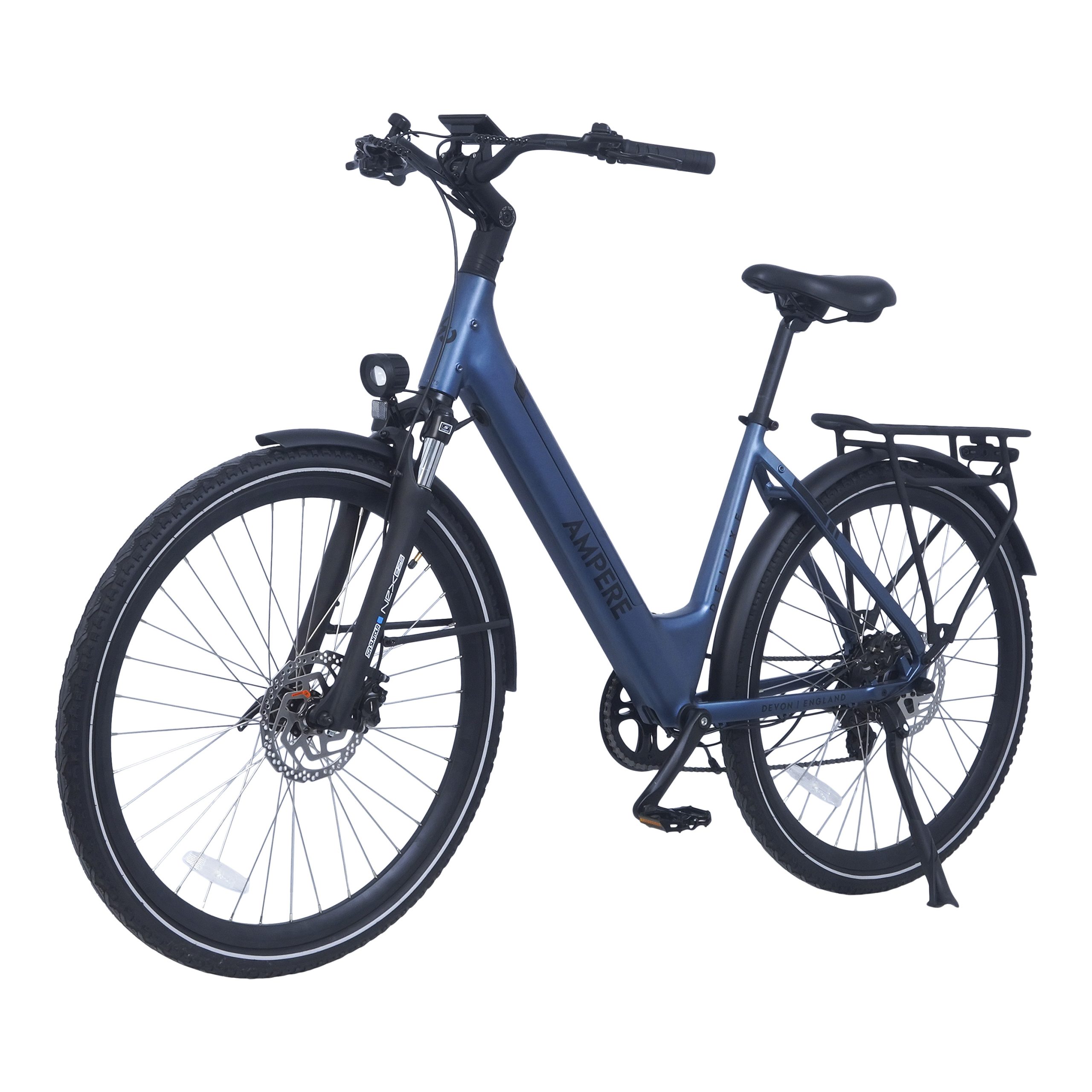
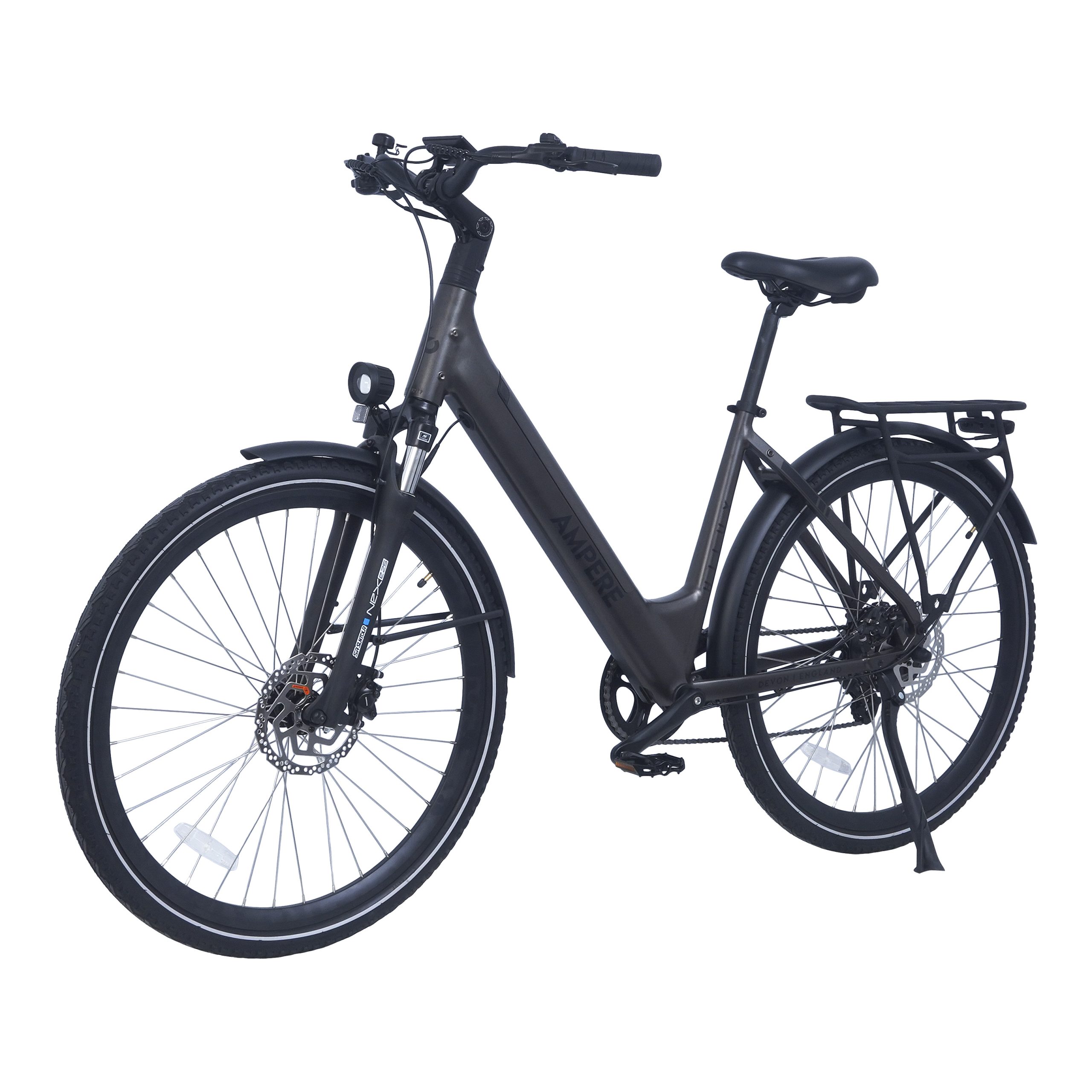
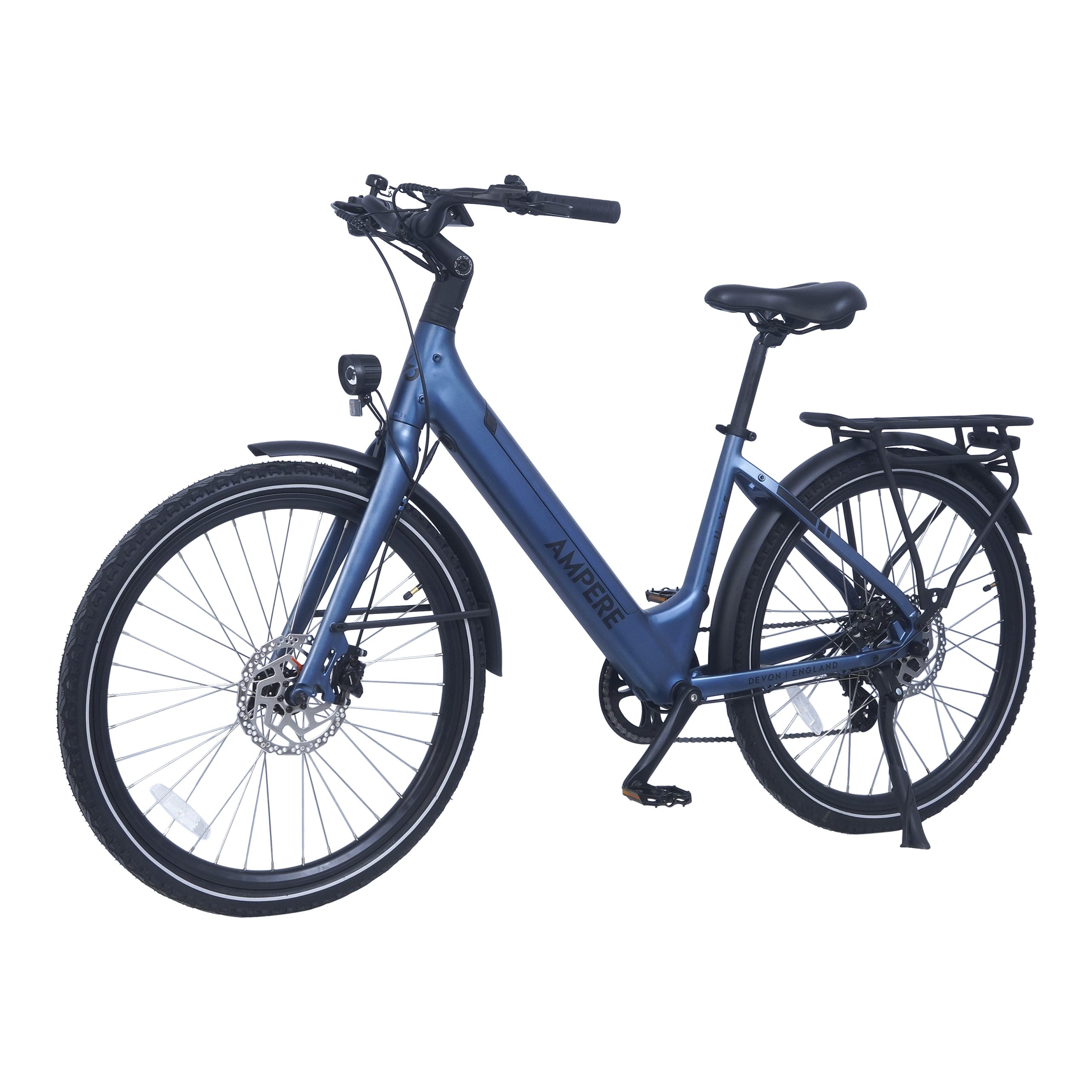
And if you’re thinking about keeping up with them as those rides get longer, it might be time to explore the Ampere range of electric bikes designed to make every ride easier and more enjoyable: Shop Ampere Electric bikes
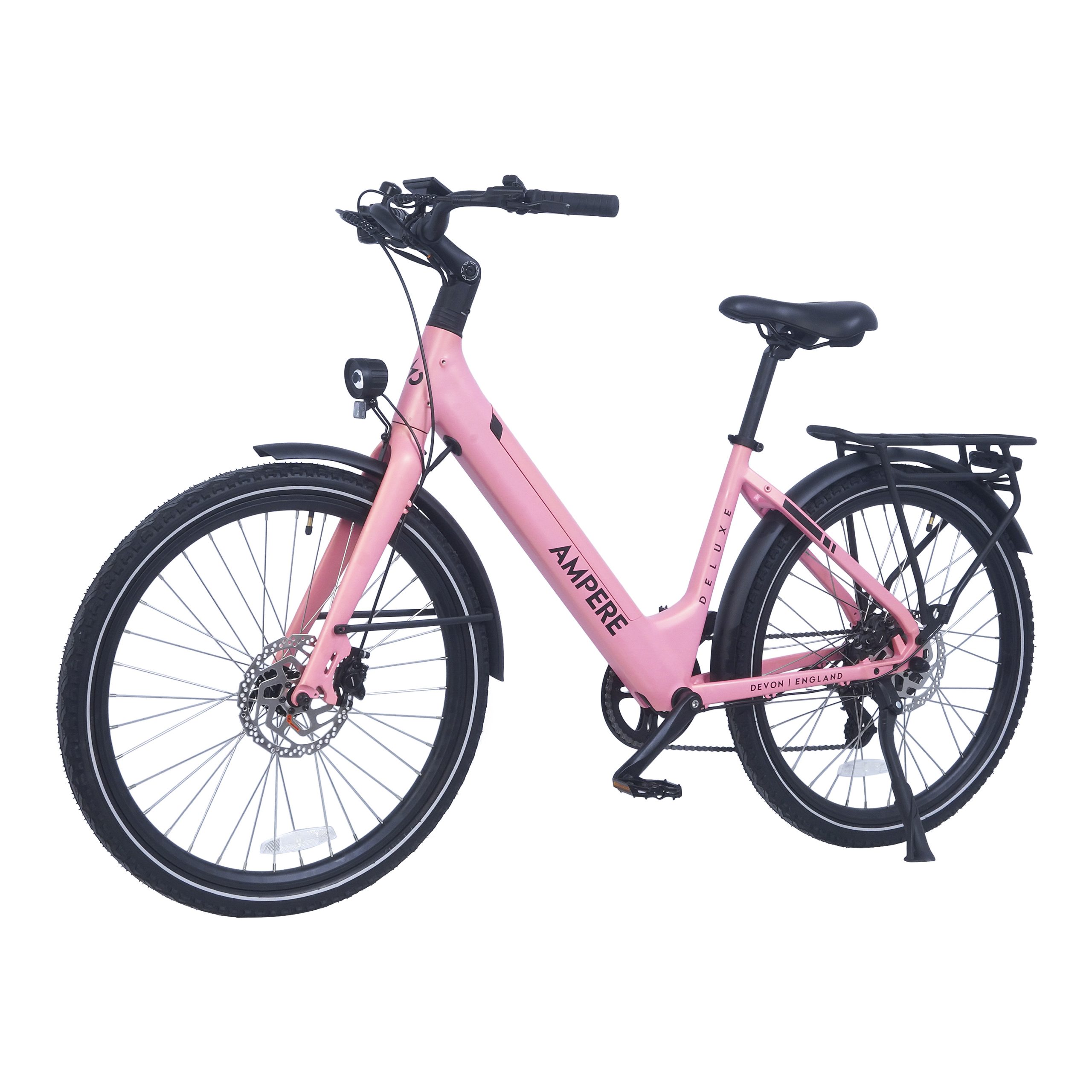


Key Features:

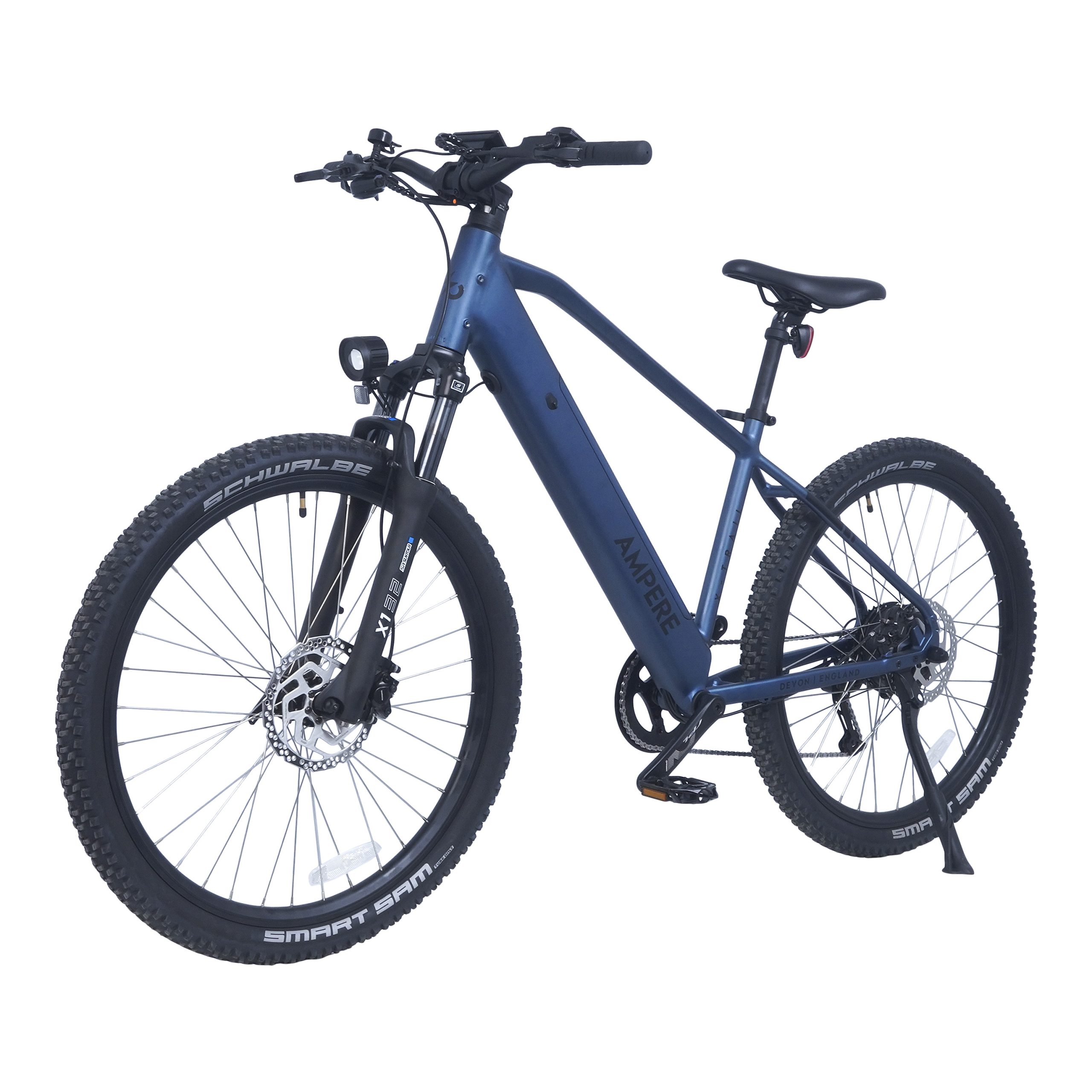
Key Features:
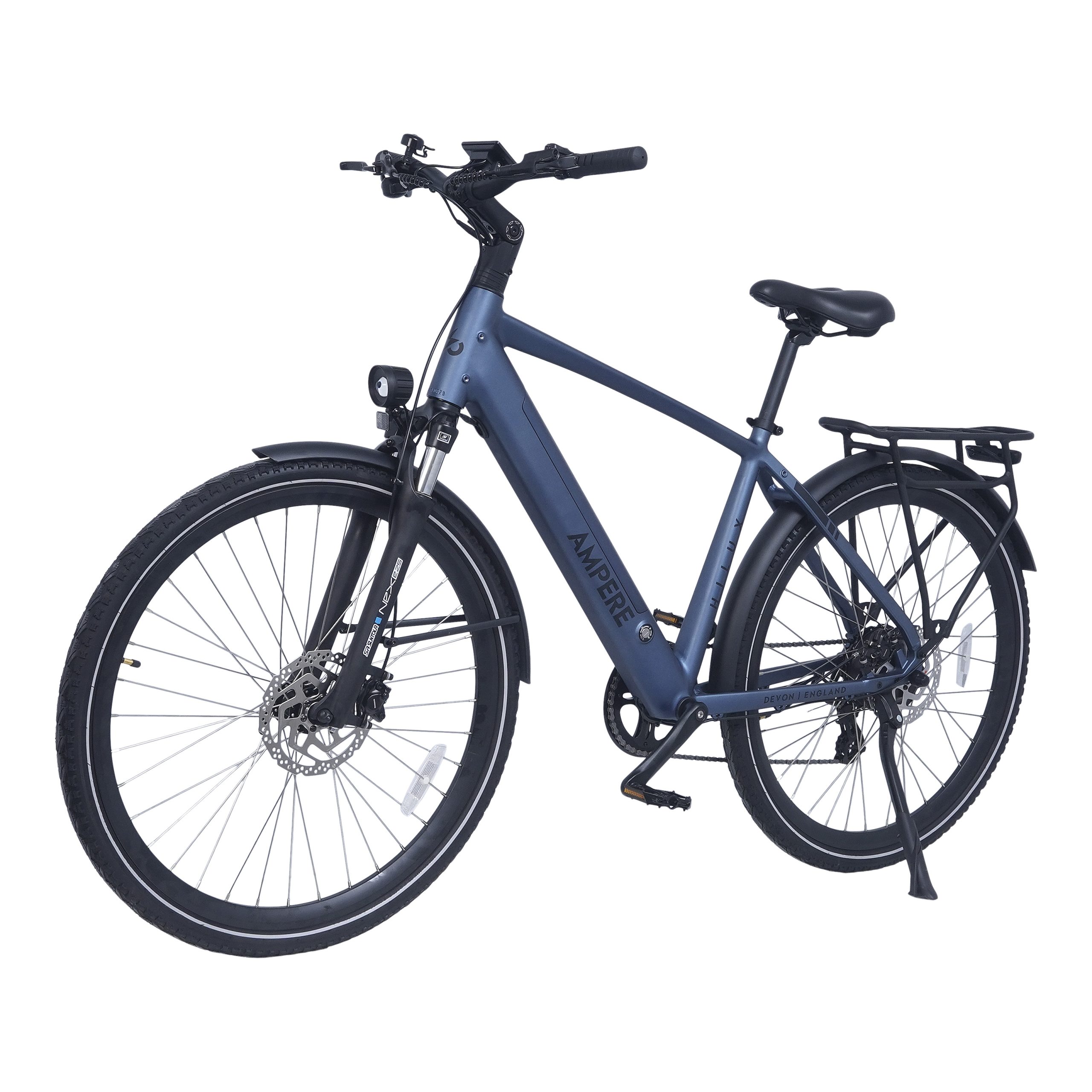
Key Features:
Key Features:
Key Features:
Key Features: